
Aquaculture
Dr. Biga was awarded a prestigious AAAS Science & Technology Policy Fellowship. From 2019 – 2021, she served as an STPF at the United States Department of Agriculture in the Office of the Chief Scientist. Based on her expertise, her portfolio covered aquaculture, STEM education, Crowdsourcing and Citizen Science, and Food and Nutrition topics.
During this time, Peggy worked with Caird Rexroad (ARS, USDA) to host a series of workshops and a final read out on aquaculture within the USDA. The idea for this workshop came from Peggy’s viewpoint as a scientist working at a (non-land grant) university on aquaculture-related science and then being stationed in the Office of the Chief Scientist at USDA. She realized that many agencies across USDA didn’t have a vision of the potential for growth within aquaculture. So, Caird and Peggy partnered with the National Aquaculture Association to host “Aquaculture is Agriculture“.
Alabama Scholars Strategy Network
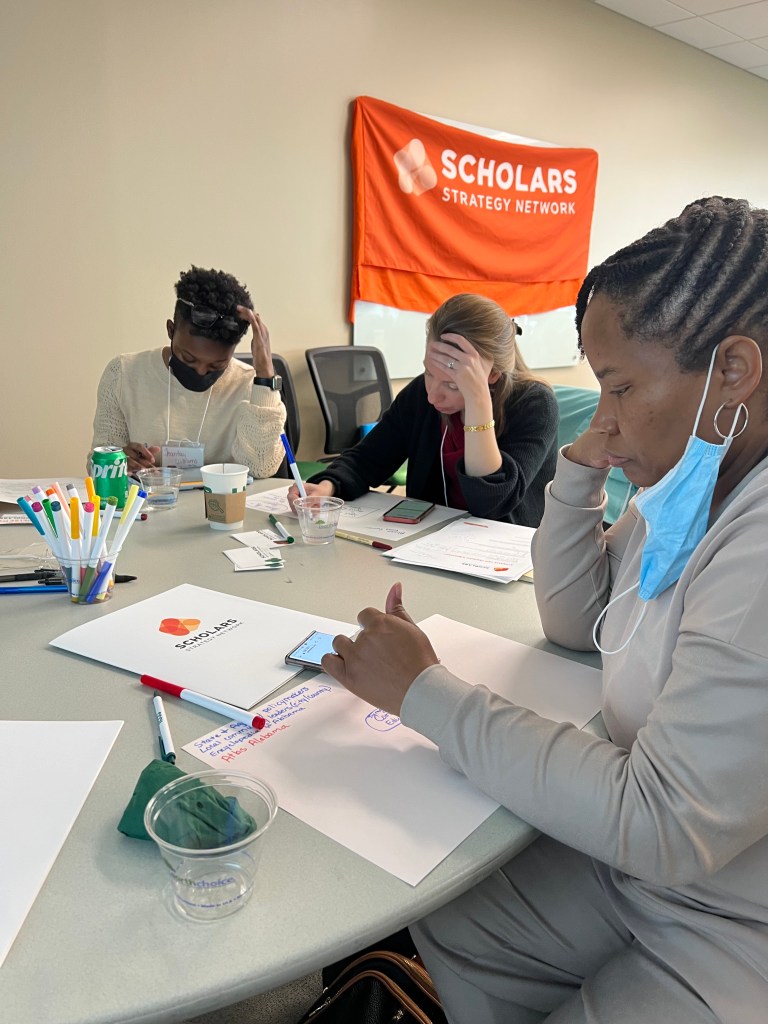
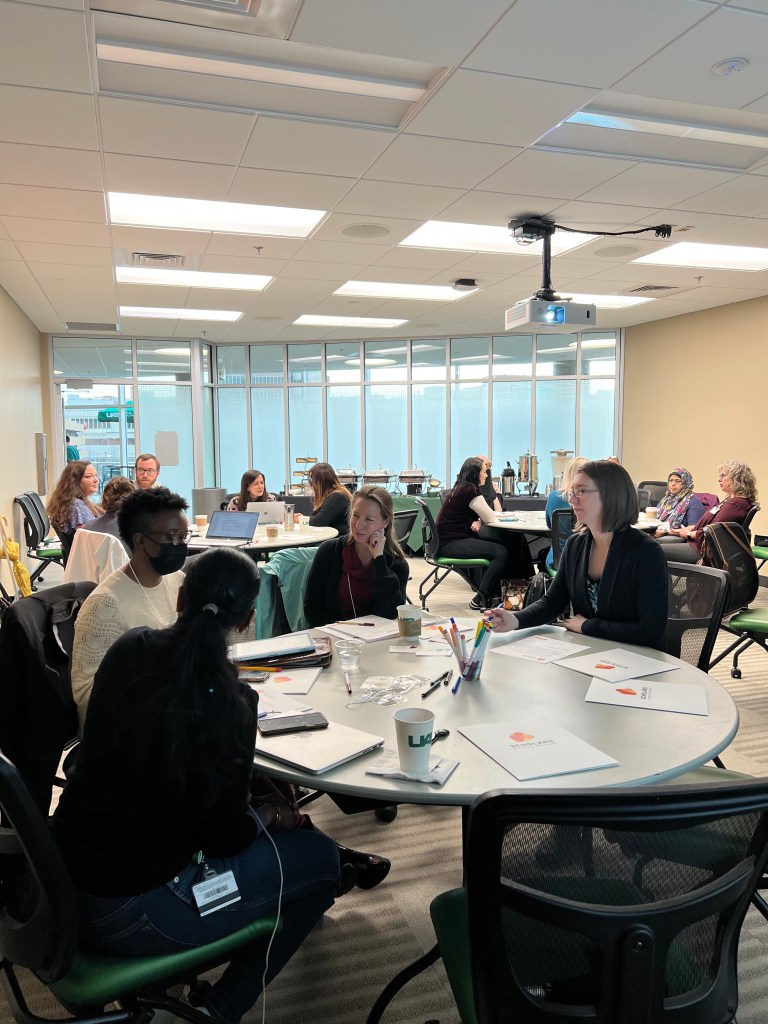
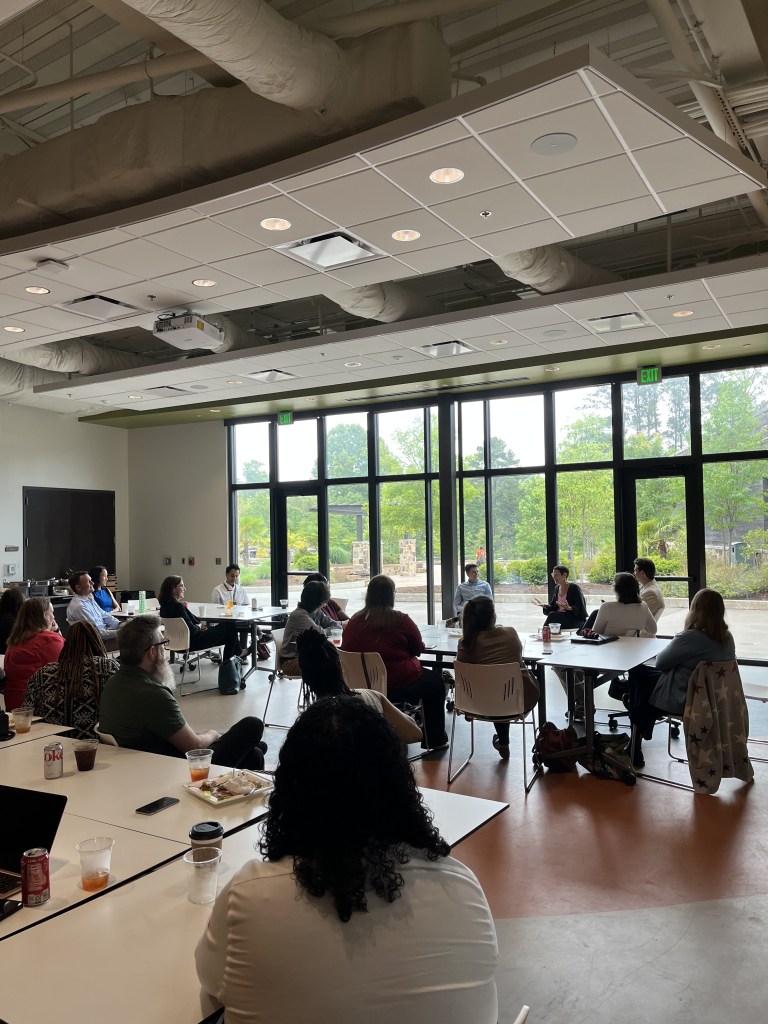
As Co-founder and co-director of the Alabama Chapter of the Scholars Strategy Network, Peggy has been instrumental in increasing the engagement of Alabama-based scholars with policymaking through network building and SSN-sponsored activities. The AL SSN has offered numerous workshops and training sessions related to op ed writing, policy brief writing, and general training for scholars engaging with the policy process.
In 2023, Peggy organized an AL-SSN request for applications to support scholars with their research and engagement with local advocacy groups or policy makers. This RFP resulted in the funding of two projects for PIs at the University of Montevallo and Tuskegee University for projects related to clean water advocacy across Alabama and maternal healthcare in the blackbelt. This effort, alongside other amazing AL-SSN events (Policy Palooza 1.0 and 2.0), resulted in the Alabama chapter being awarded the inaugural Outstanding Chapter Award.


Science Policy Courses & Certificate Program
Dr. Peggy Biga, in collaboration with Dr. Pete Jones (Political Science & Public Administration, UAB), designed a graduate certificate program in science policy at UAB. Peggy serves as the program director for the Science Policy Graduate Certificate Program that began in 2022. This program added 3 graduate-level courses to the curriculum, as listed below:
- BY 617 – Science Policy – Science and technology intersect with multiple areas of public policy. Think of the growing concerns over technological surveillance, the debates over policy for climate change mitigation, the challenges posed due to global health crises, or the fear that American research and development competitiveness is eroding in a globalized economy. These issues reflect important questions about the relationship between science, technology, and public policy. Are scientific and technological developments governable, and if so, how and by whom? Is more and better science always better for policymaking? Who is the best judge of the value of scientific research programs and the validity of scientific findings? Are scientific and technological innovations generally socially beneficial, and who decides? What role should policymakers play in regulating science?.
- BY 647 – Contemporary Issues in Science Policy – Our rapidly changing world faces significant, multi-faceted problems at the nexus of technology and society. The response to these socio-scientific issues will impact the future of the human condition. The scientific process has a role to play in finding timely, effective, and evidence-based solutions. This course showcases science as a dynamic and iterative process that includes collecting and connecting observations, making hypotheses based on the current understanding, and constructing models that are revised as new knowledge is acquired. It emphasizes the role of dialogue and communication in shaping responses to socio-scientific issues.
- BY 677 – Design Thinking to Solve Problems in Science Policy – This program capstone course includes the application of the basic tools of inquiry into social problems; basic ethical issues in contemporary science; analyzing the problem; analyzing any relevant policies; data validity and reliability; data-gathering techniques; data management; solution(s) generation; disciplinary standards for writing the proposal and reporting findings. Over the course of the semester, students will be exposed to different sectors that overlap science and society (public, private, non-profit).
Peggy and Pete also designed an undergraduate course in science policy, BY/PSC 225 – Contemporary Issues in Science Policy, that is part of the UAB Blazer Core program. This course offers an introduction to cutting-edge science, medicine, and technology as well as the difficult ethical concerns they raise. It provides students practical training in cross-disciplinary learning while engaging in discourse about difficult, controversial, and critical questions related to science and policy. This course is appropriate for Biology majors and non-majors. This course meets Blazer Core Curriculum Communicating in the Modern World with a flag in Civic Engagement.
STEM Outreach
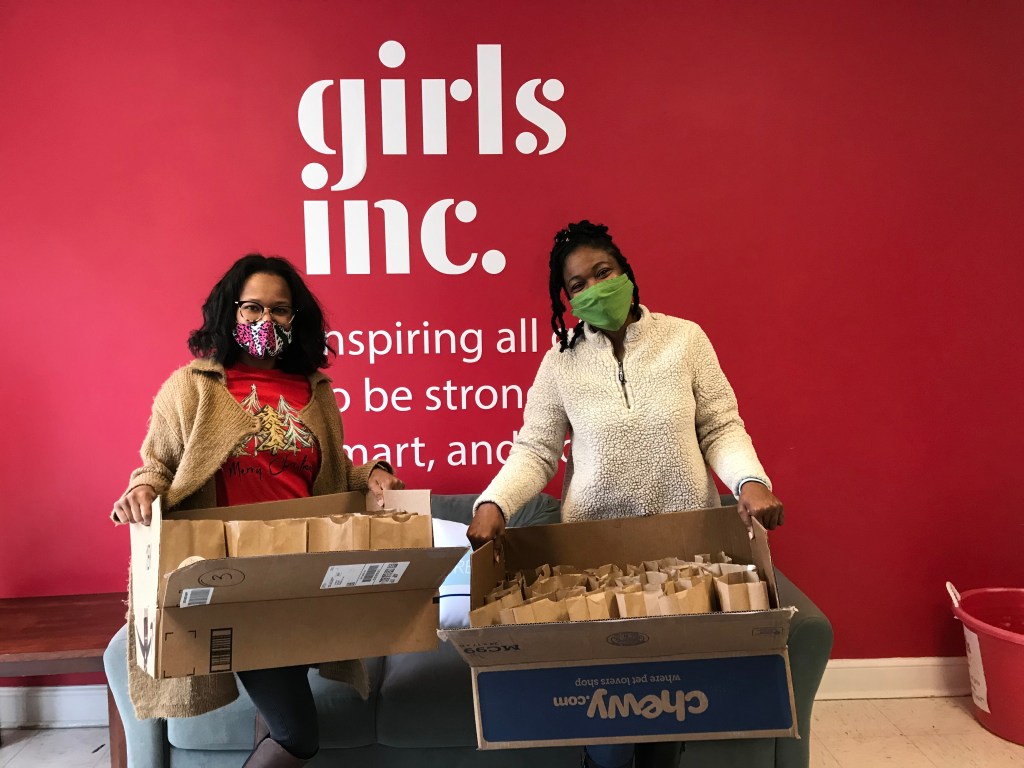
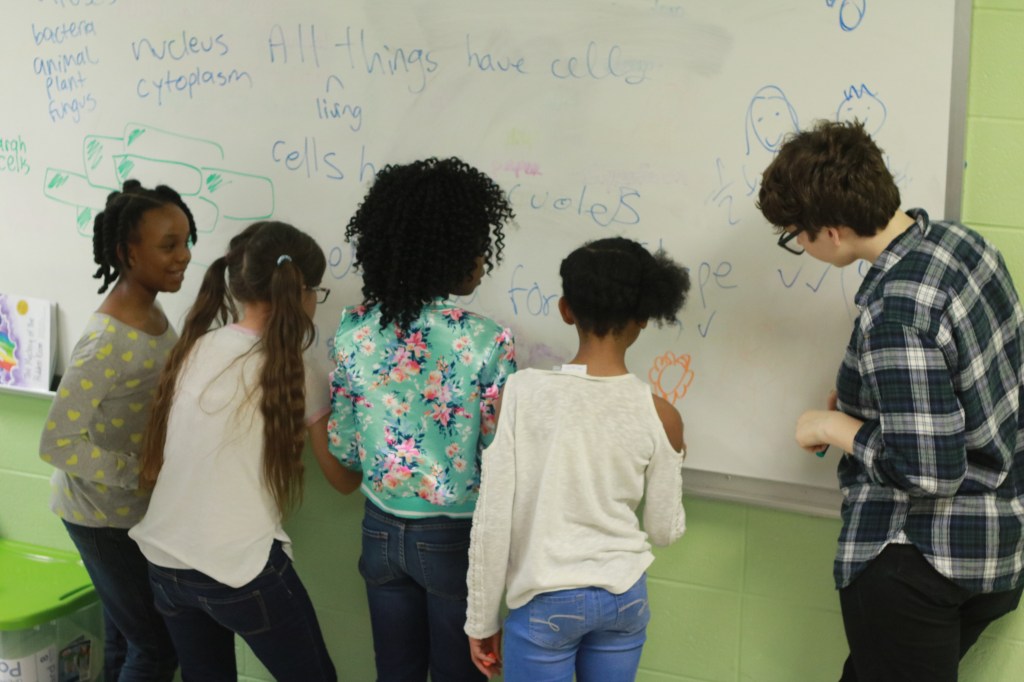

Dr. Peggy Biga has been instrumental in connecting UAB graduate and undergraduate biology students with local public school kids to offer enhanced STEM learning. The outreach program, STEMO, partnered with Girls, Inc. of Central Alabama to bring STEM-based enrichment activities to 7-12 grade girls. During the pandemic, STEMO created “at home” science activity boxes that were deployed to Girls, Inc. students while they were learning from home.
 The Biga Laboratory